

As the construction landscape in North Idaho continues to expand, contractors in Coeur d’Alene are facing both new opportunities and added complexity. From commercial developments and multifamily projects to healthcare and infrastructure, delivering projects on time and on budget is becoming more challenging.
To stay competitive, many general contractors and MEP firms in the area are turning to BIM Coordination. Once seen as a luxury used only on large projects, BIM is now a strategic advantage for local builders who want to improve planning, reduce rework, and deliver better results.
What Is BIM Coordination?
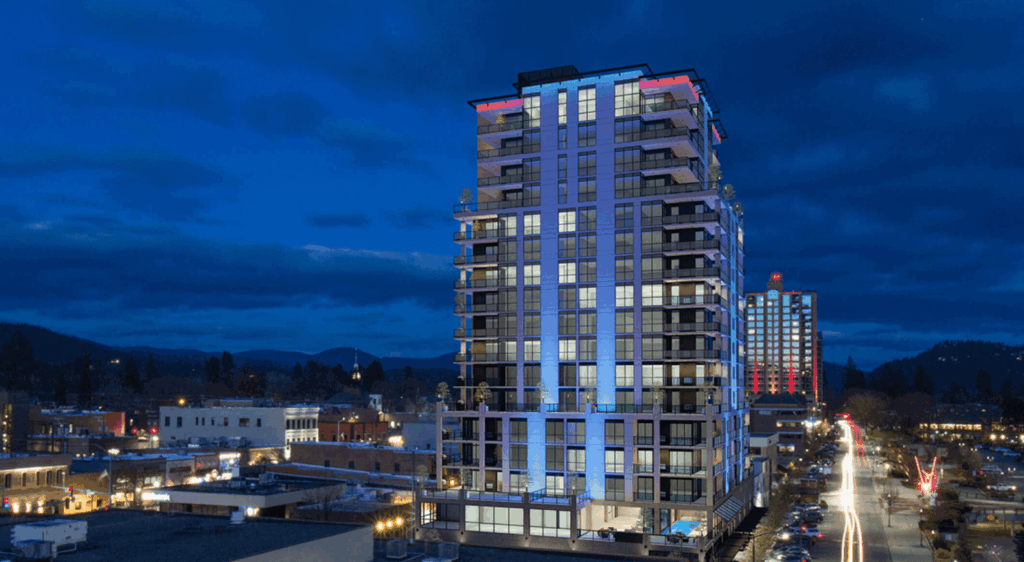
BIM Coordination is the process of integrating digital models from different trades, such as structural, architectural, mechanical, electrical, and plumbing, into a single coordinated model. These models help detect conflicts before construction begins, allowing teams to plan more efficiently and avoid delays during installation.
Rather than relying on 2D drawings or disconnected systems, BIM brings the entire team into a shared visual environment that improves collaboration from the start.
Why BIM Is Catching On in Coeur d’Alene
Local Growth Is Fueling Demand 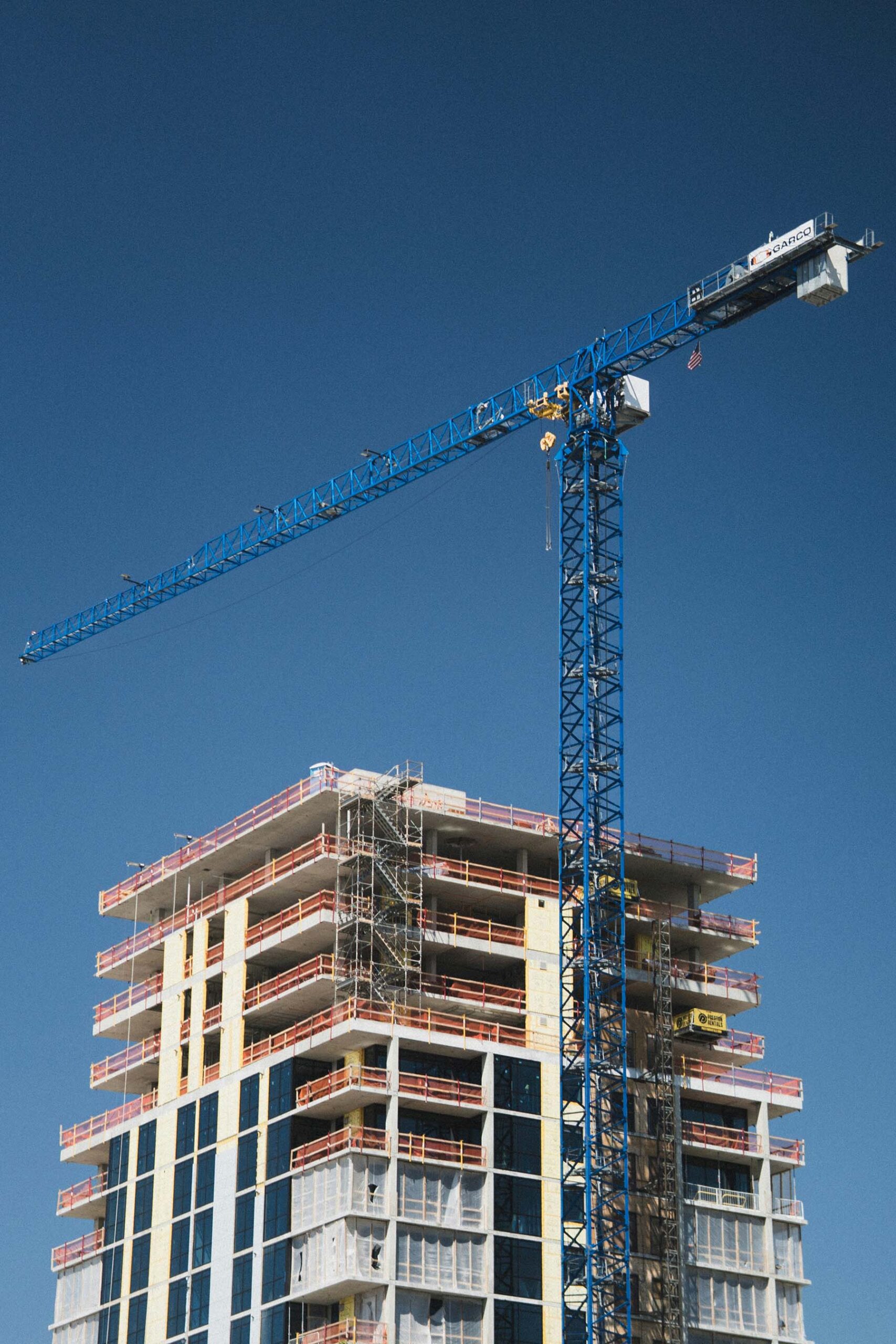
Coeur d’Alene is growing rapidly. Commercial developments, healthcare expansions, and public sector projects are reshaping the city. With this growth comes tighter schedules, more trades on site, and a greater need for precision.
BIM Coordination helps contractors stay ahead of these demands by enabling early detection of design conflicts and offering better planning tools for sequencing and space allocation.
Less Margin for On-Site Errors
The short construction season in North Idaho means every day on-site counts. Rework, delays, or last-minute changes can throw a project off course quickly.
With BIM Coordination, conflicts are resolved in the model before materials are ordered or crews are scheduled. This allows contractors to build with greater confidence and avoid costly surprises.
Prefabrication Requires Accuracy
More subcontractors in the region are moving toward prefabrication to save time and improve quality. However, prefab only works if systems are modeled in detail and coordinated early in the process.
BIM Coordination supports prefabrication by creating models that are accurate, constructible, and ready for fabrication. This ensures that components arrive on-site fitting as planned.
Owners Expect More Transparency
Owners and developers are increasingly expecting better documentation, faster communication, and fewer change orders. Contractors who use BIM Coordination stand out by demonstrating professionalism and a proactive approach to problem solving.
It’s also easier to gain buy-in from design teams and inspectors when the project is visualized and well organized from the start.
Benefits of BIM Coordination for General Contractors and MEP Subs
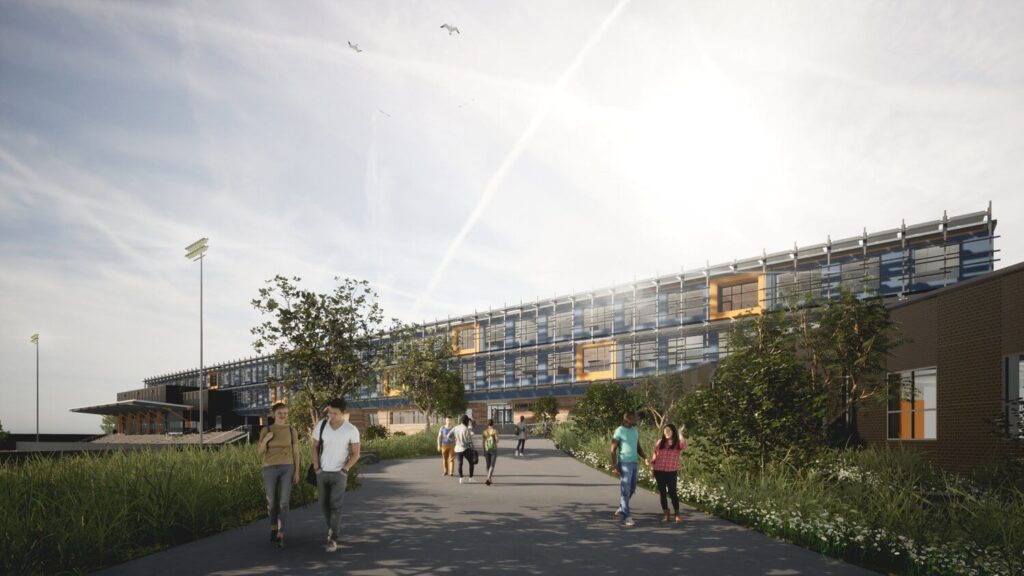
Whether you are a GC managing multiple trades or an MEP subcontractor responsible for tight routing and layout, BIM Coordination offers real, measurable benefits:
-
Conflict Resolution Early: Catch and resolve clashes before they turn into field issues
-
Improved Trade Collaboration: Get all stakeholders working from the same model
-
Faster Timelines: Avoid delays caused by field redesigns or rework
-
Better Installation Sequencing: Plan who installs what, where, and when
-
Reduced Costs: Minimize change orders and lost labor hours
-
Smarter Prefabrication: Use shop-ready models for mechanical, electrical, and plumbing systems
Project Types Seeing the Most Value
BIM Coordination is beneficial across all project types, but certain sectors in Coeur d’Alene are seeing the biggest gains:
-
Commercial Buildings: Office parks, retail centers, and restaurants benefit from improved scheduling and trade coordination
-
Healthcare Facilities: Complex systems, critical routing, and strict code compliance require early planning
-
Civic and Educational Projects: Schools, libraries, and city buildings often involve multiple phases and stakeholders
-
High-End Residential: Large custom homes with detailed mechanical and electrical layouts benefit from early trade modeling
How BIM Synergistics Supports Contractors in Coeur d’Alene
At BIM Synergistics, we work with GCs and MEP firms across Coeur d’Alene and surrounding areas to deliver accurate, reliable coordination and modeling services. Whether you are looking to streamline your process, reduce field conflicts, or support prefabrication, we act as an extension of your team.
Here’s how we help:
-
Trade-Specific Modeling: Detailed Revit modeling for plumbing, ductwork, and electrical systems
-
Clash Detection and Reporting: Early identification and resolution of system conflicts
-
Fabrication-Ready Models: Designed for preconstruction and field install efficiency
-
Meeting Facilitation and Issue Tracking: Support for coordination meetings and documentation
-
Regional Experience: Familiarity with the building codes, construction timelines, and local expectations in Coeur d’Alene and the Inland Northwest
We work with you to meet your project goals, whether you need full BIM Coordination, model development, or leadership training for your internal teams.
Is Your Team Ready for BIM?
If you’re a general contractor, project manager, or subcontractor working in the Coeur d’Alene area, now is the time to consider how BIM Coordination could improve your next project. With more firms adopting digital construction tools, BIM is no longer optional. It’s a key part of delivering faster, smarter, and more profitable builds.
Contact BIM Synergistics today to learn how we can support your project with BIM Coordination services built for your scope, your team, and your region.