

Before construction begins, one of the most important documents on any project is the BIM Execution Plan, often referred to as the BEP. For owners, this document is more than a formality. It sets expectations, defines accountability, and establishes how BIM Coordination will support the project from start to finish.
When a BIM Execution Plan is clear, detailed, and aligned with project goals, it creates a strong foundation for collaboration. When it is vague or incomplete, it often leads to confusion, delays, and disputes later in the project.
Owners who understand what to look for in a BEP are better positioned to protect their investment and ensure their project runs smoothly. Below are the key elements every owner should demand before giving the green light to break ground.

Clear Project Goals for BIM Coordination
A strong BIM Execution Plan begins with a clear definition of goals. Owners should expect the plan to outline how BIM will be used to support coordination, scheduling, cost control, and project delivery.
These goals should connect directly to project priorities. For example, reducing change orders, improving installation efficiency, or supporting facility management after completion. Without clearly defined goals, BIM efforts can become inconsistent and lose value.
Defined Roles and Responsibilities
One of the most common causes of coordination breakdown is unclear ownership. Owners should demand a detailed outline of who is responsible for each aspect of BIM Coordination.
This includes identifying the BIM lead, coordination manager, and trade-specific modeling responsibilities. The plan should also define who has authority to approve models, resolve conflicts, and enforce standards.
When roles are clearly defined, teams operate with greater accountability and fewer misunderstandings.
A Structured Coordination Process
BIM Coordination should follow a consistent, repeatable process. Owners should look for a plan that defines how coordination will be carried out throughout the project.
This includes the frequency of coordination meetings, the workflow for clash detection, and the timeline for resolving issues. A structured process ensures that coordination remains proactive instead of reactive.
Without this structure, issues can accumulate and create delays during construction.
Detailed Modeling Requirements 

Owners should expect the BEP to define modeling expectations for each discipline. This includes the level of detail required at each stage of the project and the systems that must be included in the model.
Clear modeling requirements help ensure that all stakeholders are working toward the same standard. It also reduces the risk of gaps that could lead to coordination conflicts later.
Trade-specific modeling for mechanical, electrical, and plumbing systems is especially important, as these areas are often the source of clashes.
Clash Detection and Resolution Strategy
Clash detection is one of the core benefits of BIM Coordination, but it only works when paired with a clear resolution process. Owners should require a plan that explains how clashes will be identified, tracked, and resolved.
This includes defining priority levels for conflicts, assigning responsibility for fixes, and setting deadlines for resolution. A well-defined strategy keeps coordination moving forward and prevents unresolved issues from reaching the field.
Communication and Collaboration Standards
Effective BIM Coordination depends on strong communication. The BEP should outline how teams will share information, update models, and communicate changes.
Owners should look for clear protocols around file sharing, communication platforms, and reporting methods. A centralized system for collaboration helps ensure that all teams are working from the same information.
This reduces confusion and supports better decision-making throughout the project.
Model Version Control and Data Management
Accurate information is critical in any construction project. Owners should demand a clear approach to version control and data management within the BIM Execution Plan.
This includes defining how models will be updated, how changes will be tracked, and how teams will access the most current version. Without proper version control, teams risk working from outdated information, which can lead to costly errors.
A strong data management strategy keeps the project aligned and reduces the chance of miscommunication.
Integration With Project Schedule and Budget
BIM should support overall project management, not operate separately from it. Owners should expect the BEP to show how BIM Coordination connects with scheduling and cost control.
This may include linking models to construction sequences, identifying potential delays through coordination, and supporting more accurate planning.
When BIM is integrated with the broader project strategy, it becomes a valuable tool for managing time and cost.
Field Use and Practical Application
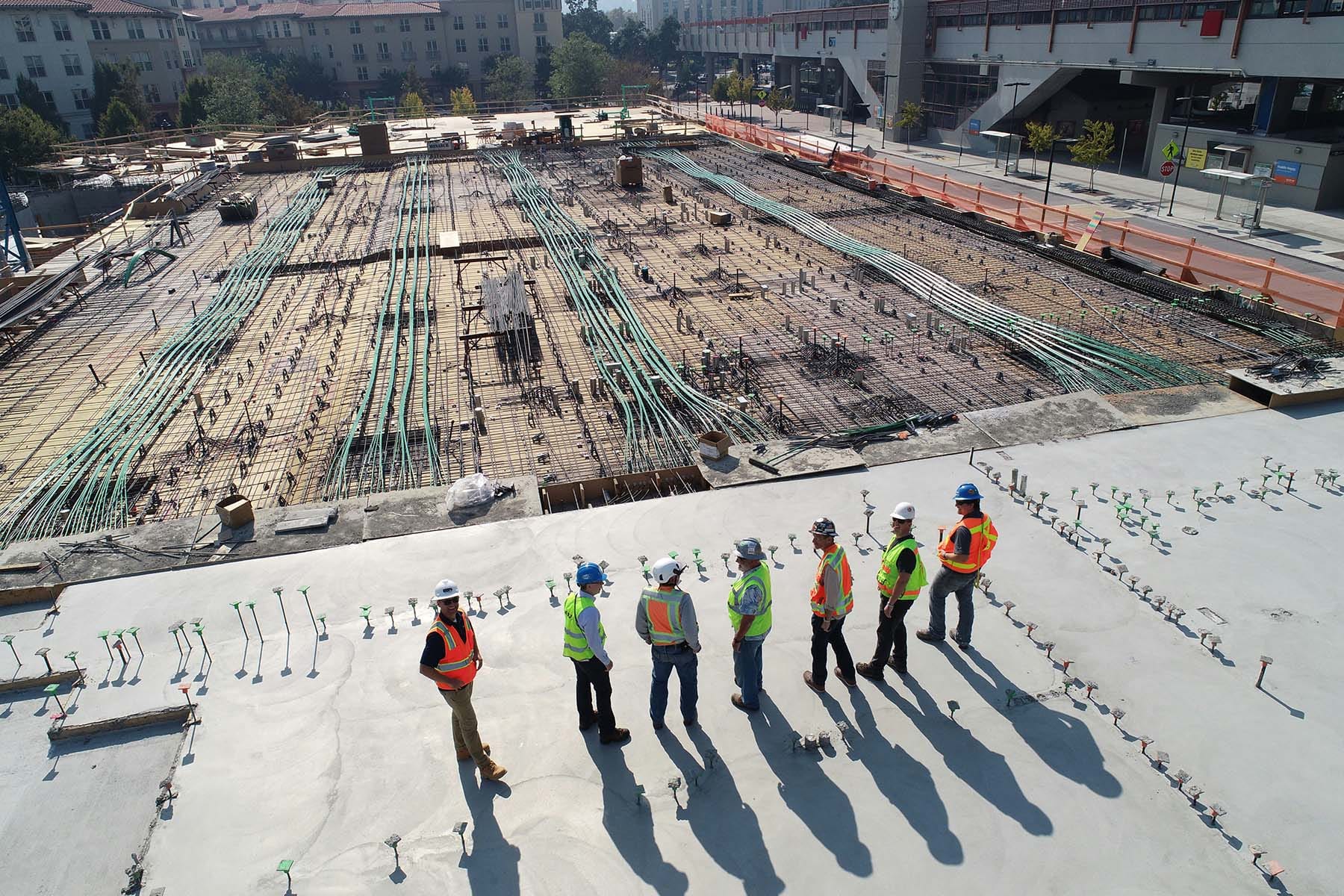
A BIM Execution Plan should go beyond design coordination and address how models will be used in the field. Owners should ask how superintendents and crews will access and use BIM data during construction.
This might include the use of tablets, coordination drawings, or prefabrication workflows. When BIM is used effectively in the field, it improves installation accuracy and reduces rework.
Training and Continuous Improvement
Even the best BIM plan requires a team that knows how to execute it. Owners should look for evidence that the project team has the training and support needed to carry out BIM Coordination effectively.
This includes onboarding for new team members, guidance for project managers, and ongoing improvement throughout the project.
At BIM Synergistics, we provide BIM training and leadership coaching to help teams build confidence and maintain high standards across every phase of the project.
How BIM Synergistics Supports Owners and Project Teams
At BIM Synergistics, we work alongside owners, general contractors, and project teams to develop and execute BIM  strategies that deliver real results. Our focus is on creating clarity, improving coordination, and reducing risk.
We help by:
- Developing BIM Execution Plans that align with project goals
- Providing detailed modeling that supports coordination and construction
- Leading coordination processes with structured workflows
- Offering training to strengthen team performance and accountability
Our experience allows us to identify potential gaps early and ensure that BIM Coordination supports both design and construction needs.
Setting the Standard Before Construction Begins
The decisions made before breaking ground often determine the success of a project. A strong BIM Execution Plan is one of the most effective tools owners have to set expectations and guide the process.
By demanding clarity, structure, and accountability in the BEP, owners can reduce risk, improve communication, and create a more predictable path to completion.
Ready to Strengthen Your BIM Strategy
If you are preparing for a new project and want to ensure your BIM Coordination process is set up for success, BIM Synergistics is here to help.
Contact our team to learn how we support owners with planning, coordination, and training that lead to stronger project outcomes and fewer surprises during construction.