

In today’s fast-evolving construction landscape, Building Information Modeling (BIM) is no longer a “nice-to-have”, it is a must-have. As digital tools and coordination processes become the backbone of successful projects, BIM coordination and training are transforming the role of construction managers across every phase of the build.
Whether you oversee large commercial builds or high-density residential projects, understanding how BIM works and how to lead teams in digital coordination is crucial for keeping schedules tight, budgets on track, and trade teams aligned.
At BIM Synergistics, we believe that construction managers who invest in BIM training are not just adding a new skill to their toolbox, they are stepping into a more strategic role that drives project success.

What Is BIM Coordination and Why Does It Matter?
BIM coordination is the process of integrating models from different trades, mechanical, electrical, plumbing, structural, and more, into a single, clash-free project environment. This coordination ensures that conflicts are identified before construction begins, reducing delays, change orders, and rework in the field.
Without a strong grasp of BIM coordination, construction managers risk miscommunication between trades, schedule disruptions, and costly errors. On the other hand, when a construction manager understands BIM workflows and technology, they can lead teams more effectively, flag issues early, and act as a bridge between design intent and field execution.
Why Construction Managers Are Central to BIM Success
Even with skilled VDC teams and design consultants in place, the construction manager remains the one responsible for pulling all the moving parts together. They:
-
Set expectations for collaboration between trades
-
Interpret and enforce coordination deadlines
-
Review clash reports and field conditions
-
Make informed decisions when constructability issues arise
-
Communicate adjustments back to the trades and stakeholders
This role becomes far more powerful when backed by BIM training. Instead of being passive recipients of coordination models, trained construction managers can proactively lead coordination efforts and ensure that virtual planning translates into real-world success.
BIM Training Builds Leadership and Strategic Thinking
One of the biggest misconceptions is that BIM training is only for VDC specialists or tech-savvy modelers. The truth is, BIM training tailored for construction professionals focuses on decision-making, trade knowledge, and project leadership.
At BIM Synergistics, our BIM Leadership Coaching program is designed specifically for construction professionals who want to lead more effectively in digital environments. We focus on:
-
Practical BIM understanding without overwhelming technical jargon
-
Interpreting coordination data to make field-ready decisions
-
Setting up and managing realistic coordination timelines
-
Understanding the impact of design changes on construction
-
Developing communication strategies that keep all stakeholders aligned
This is not about turning construction managers into modelers. It is about equipping leaders to navigate BIM processes with clarity and confidence.
Addressing the Gap: Why BIM Skills Are No Longer Optional
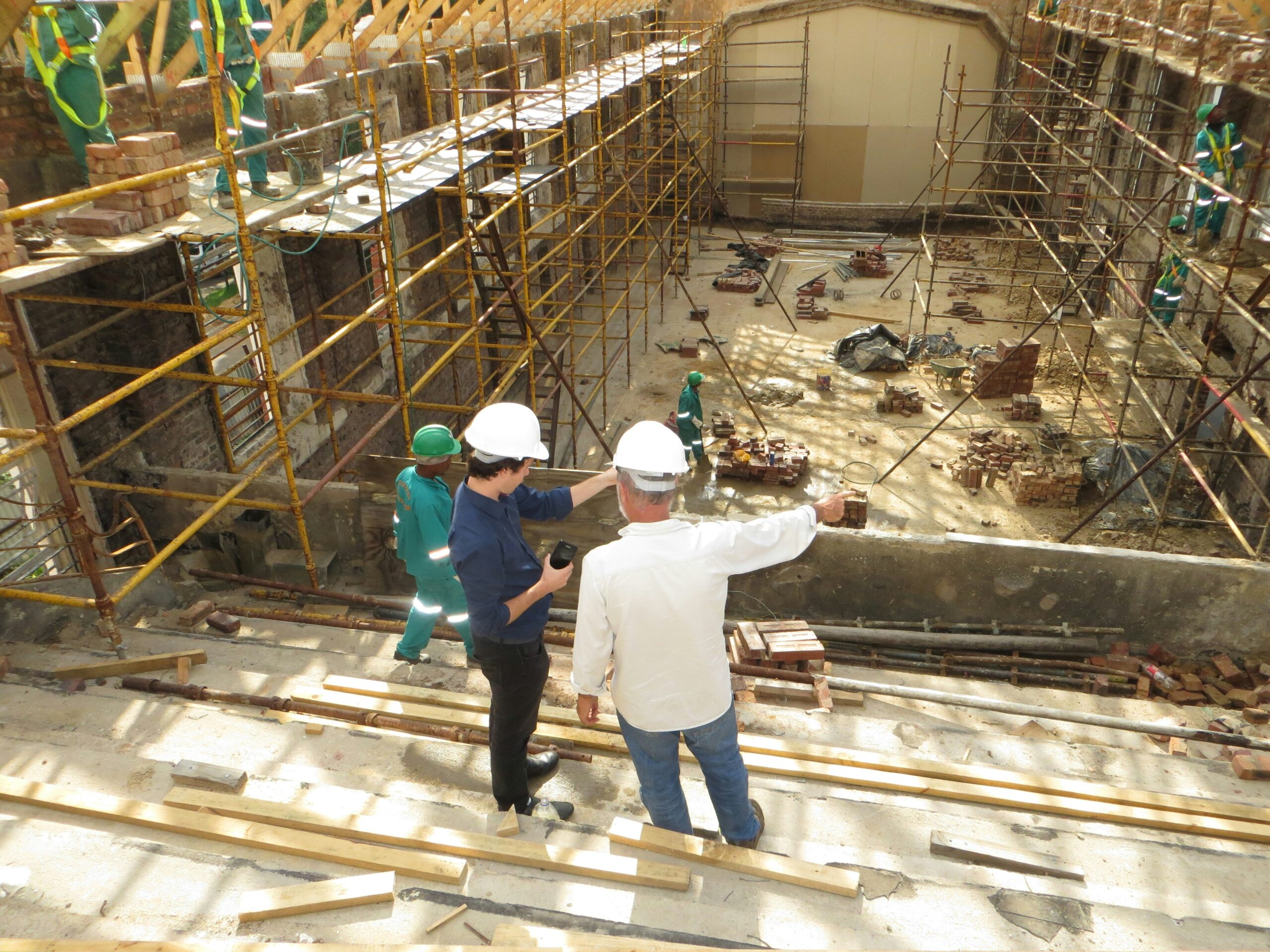
Many seasoned construction professionals entered the industry before BIM became mainstream. While they may have extensive field knowledge, they often rely heavily on others to manage the digital side of planning. This creates a disconnect between what is planned and what is built.
That gap can lead to frustration, inefficiencies, and missed opportunities. Without the ability to interpret BIM coordination models or communicate clearly with VDC teams, even the best construction managers may find themselves outpaced by the demands of modern project delivery.
BIM training helps bridge this gap. It empowers construction managers to:
-
Participate actively in coordination meetings
-
Translate model data into actionable steps on the job site
-
Prevent field delays caused by unresolved design issues
-
Identify opportunities to improve sequencing and efficiency
-
Lead with confidence in both traditional and digital spaces
The Competitive Advantage of BIM-Trained Leaders
Owners and developers are increasingly seeking construction teams that can demonstrate BIM proficiency. In design-build and integrated delivery models, the ability to speak the language of coordination and model-based planning is a major differentiator.
Construction managers with BIM training are more attractive to top-tier general contractors, design-build teams, and forward-thinking firms. They can step into projects with confidence, ask better questions, and lead teams with both technical insight and boots-on-the-ground practicality.
This not only boosts career potential, but it also strengthens the entire project team by creating smoother communication, faster decision-making, and more aligned execution.
How BIM Synergistics Supports Construction Managers
At BIM Synergistics, we do more than provide VDC services—we coach, train, and empower the next generation of construction leaders. Our BIM Leadership Coaching is designed for real-world application, helping busy professionals learn on their schedule and grow into more strategic roles.
Key features of our program include:
-
One-on-one mentorship tailored to your role and goals
-
Real project examples that connect theory to practice
-
Frameworks for managing coordination timelines and field communication
-
Insights into how design intent impacts construction sequencing
-
Ongoing support to help you apply what you learn immediately
Whether you are new to BIM or looking to deepen your leadership skills, we meet you where you are and guide you toward results that matter.

The Future of Construction Leadership Is BIM-Literate
Construction is changing. Projects are becoming more complex, timelines are tighter, and stakeholders are more demanding. To thrive in this environment, construction managers need both field experience and digital fluency.
BIM training is about enhancing that value with tools that drive smarter planning, better collaboration, and fewer costly surprises.
By investing in BIM training today, construction managers are positioning themselves as indispensable leaders in tomorrow’s construction landscape.
And at BIM Synergistics, we are here to help you take that next step forward.